
Restore movement(mobility), reduce Inflammation, and support natural healing- without medication

Section 1- Understanding Joint Pain
Why TMJ, Shoulder, Elbow, Wrist & Knee, Ankle Pain Are So Common
These joints are working very hard every day such as activities which are lifting, carrying, running, walking, standing, pulling, kicking, throwing, holding, reaching, bending, stabilising, injuries such as falling on the impacted side, and absorbing impacts.
Over time, they can become irritated, inflamed, or overloaded.
Common Causes
- Tendonitis (rotator cuff, tennis elbow, jumper’s knee)
- Bursitis
- Overuse or repetitive strain(RSI; Repetitive Strain Injury)
- ligament inflammation
- Sprains
- Strains
- Sports injuries
- Arthritis or joint degeneration
- Muscle imbalance or poor posture
- Work‑related strain
Why acupuncture is beneficial for joint pain
Joint pain often involves inflammation, tight muscles, muscle spasming, restriction of movement(or Range Of Motion) and restricted circulation — all areas where acupuncture may excel.
Section 2- Understanding Shoulder Pain
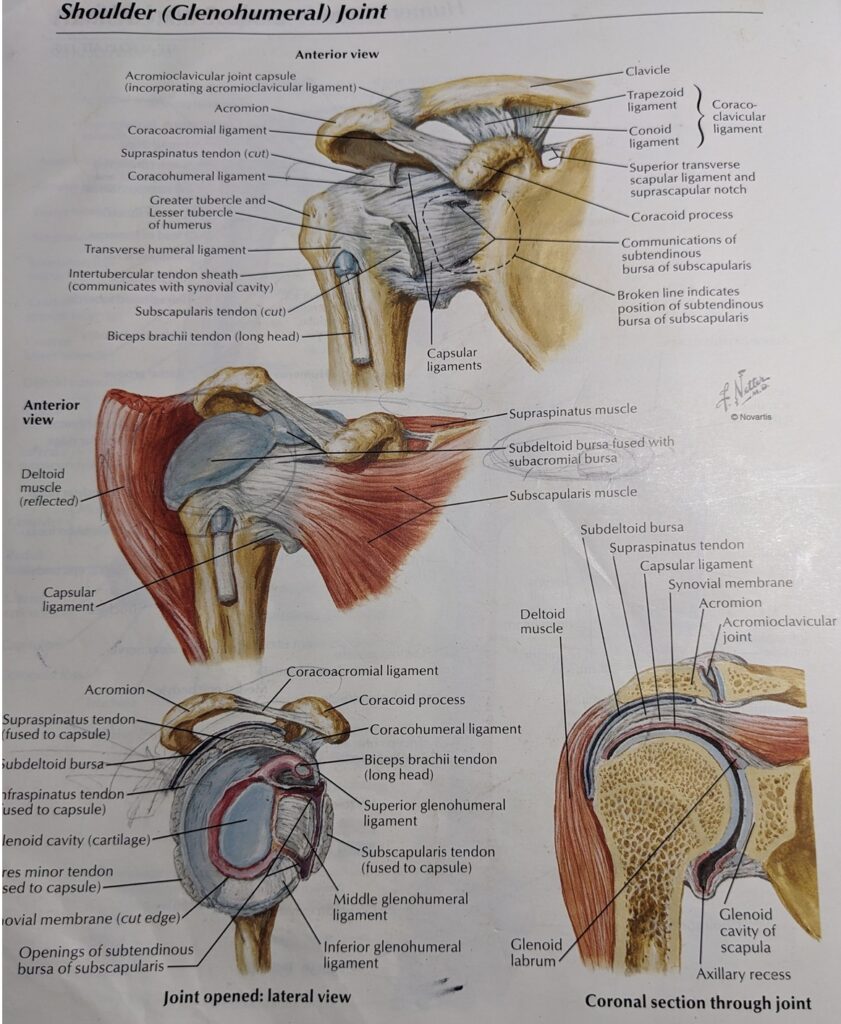
Shoulder Pain Relief
Shoulder pain often develops from lifting the heavy objects, tension, poor posture, or repetitive movements. Acupuncture may help by relaxing tight muscles, improving blood flow, and reducing inflammation
Common shoulder conditions that acupuncture may help
- Rotator cuff injuries
- Frozen shoulder
- Shoulder impingement
- Biceps tendonitis
- Postural shoulder pain
- Sub-acromion Bursitis
Benefits of acupuncture for shoulder pain
- Reduces inflammation
- Improves range of motion
- Releases deep muscle tension, muscle contraction, and muscle spasming
- Supports long‑term recovery
Section 3- Understanding Elbow Pain
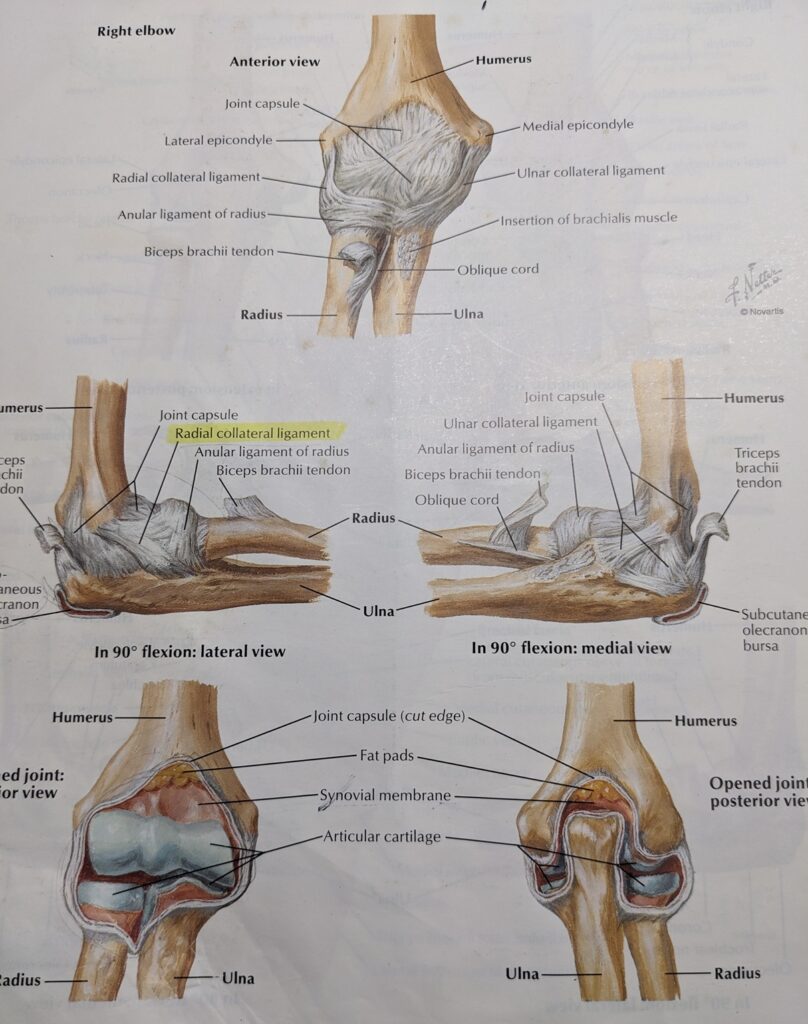
Elbow Pain Relief
Elbow pain is often caused by repetitive strain or tendon irritation. Acupuncture helps calm inflammation and support tendon healing.
Common elbow conditions that acupuncture may help
- Tennis elbow (lateral epicondylitis)
- Golfer’s elbow (medial epicondylitis)
- Tendonitis
- Overuse injuries
Golfer’s Elbow(Medial Epicondylitis)
Golfer’s Elbow called as Medial Epicondylitis which is meaning the inflammation of Medial Epicondyle.
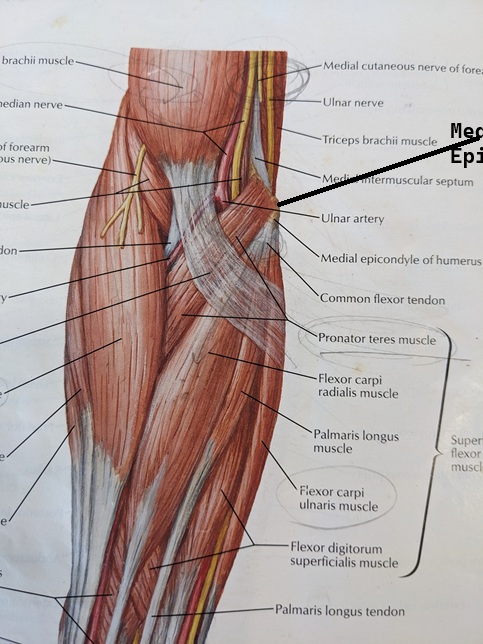
As you can see from the above diagram, the Medial Epicondyle is located at the medial tip of humerus bone, which is attached with the Triceps Brachii muscle and tendon, Pronator Teres muscle, and the Common Flexor Tendon. When you are over-doing the exercise of Triceps, the exercise of Flexor, and the exercise of Pronator, the muscles above the mentioned were getting too much contraction and/or spasming, leading to the inflammation of those muscles’ inflammation and tendonitis.
The treatment is relieving the muscles’ spasming, clearing the inflammation of the muscles, and reducing the inflammation of the tendons.
After your practitioner consulted with you, he’ll let you know what are your problems and how many treatments you might be needed.
Benefits of acupuncture for elbow pain
- Reduces pain and swelling
- Improves grip strength
- Supports tendon repair
- Helps prevent recurrence
Section 4- Understanding Knee Pain
Knee pain is quite common complaints at the daily practice.
Interestingly, some proportion of the patients are not complaining the pain of knee even if they are not having any cartilage. The recent article mentioned that “But contrary to popular belief, knee osteoarthritis is not caused by “wear and tear”.” (https://www.sydney.edu.au/news-opinion/news/2024″/08/25/-knee-pain-from-osteoarthritis–what-to-try-instead-of-surgery.html#:~:text=Osteoarthritis%20is%20the%20most%20common,disease%2C%20affecting%202.1%20million%20Australians.&text=Knee%20osteoarthritis%20is%20most%20likely,those%20with%20previous%20knee%20injuries.)
So, most of the patients are having the other soft tissues issues such as tendonitis, ligaments inflammations, joint capsulitis, bursitis, and/or the synovial membrane inflammation.
Knee Pain Relief
Knee pain may arise from injury, overuse, or age‑related changes which may be also coming from overuse during the period times. Acupuncture may help reduce inflammation and improve joint function.
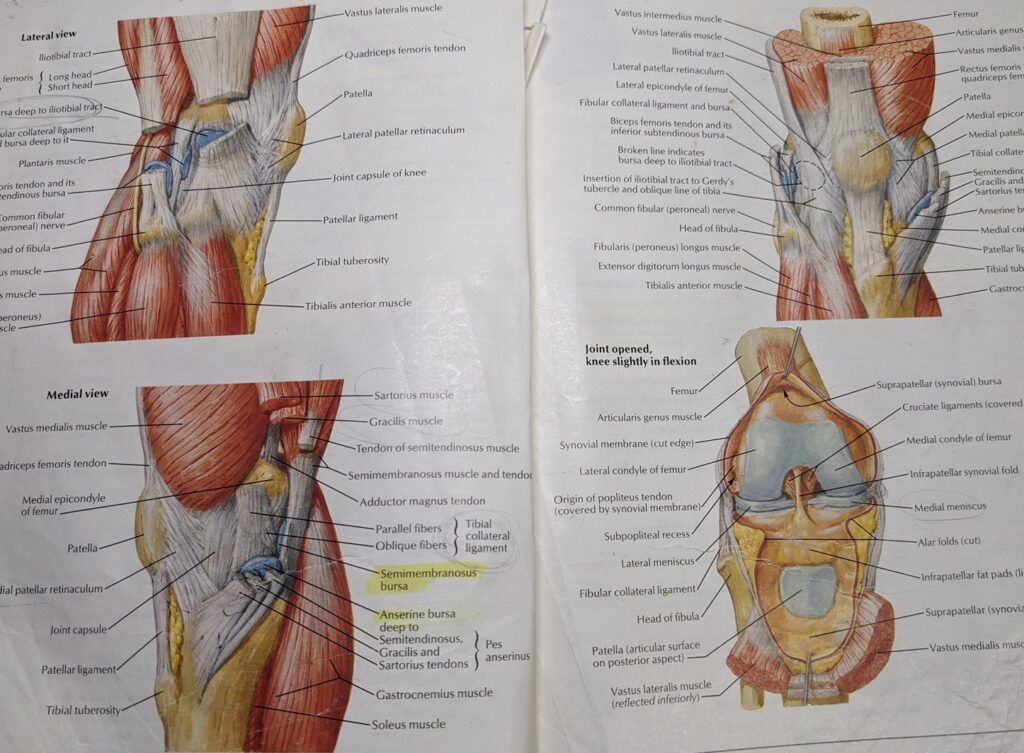
Common knee conditions that acupuncture may help
- Patellar tendonitis
- Runner’s knee
- Osteoarthritis
- Ligament strain
- Post‑exercise soreness
Benefits of acupuncture for knee pain
- Reduces swelling and stiffness
- Improves mobility
- Supports tissue healing
- Helps maintain active lifestyle
Section 5- TMJ/Masseter Muscle Pain
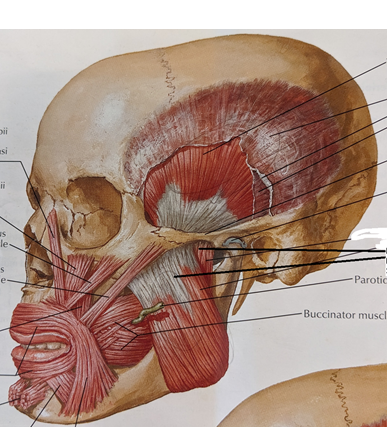
TMJ(Temporo-Mandibular Joint) is occasionally seeing at the daily practice. Most of this problem patients usually had been at the dentist for making the Mouth Guard. The mouth guard might help you for not any more damaging your TMJ and your teeth. However, it might be not able to reduce the TMJ pain and the TMJ degeneration with Temporal Headache and Masseter pain.
As you can see from above diagram, Masseter pain is coming from the muscle itself such as muscle inflammation with muscle spasming and Masseter tendon inflammation( tendonitis). If you have a Masseter tendonitis, most of the patients described that they might be feeling deep pain as dull ache, annoying pain, and just achy.
Usually, the problem might be coming from the stress, which is leading to crunching your jaw by yourselves.
A Natural, Not-invasive, Alternative, Complementary Approach
Section 6- How Acupuncture May Help Joint Pain
Acupuncture supports joint healing by:
- Improving circulation to the affected area
- Reducing inflammation
- Relaxing surrounding muscles(Regulating muscle tone)
- Supporting tendon and ligament repair
- Calming the nervous system
Those approaches may create a powerful environment for natural recovery of your joints.
Section 6-What to expect from Acupuncture treatments
Your treatment experience
- A detailed assessment of your movement and symptoms
- Gentle, precise acupuncture tailored to your condition
- A calm, relaxing treatment environment
- Optional Chinese herbal medicine for deeper support
- Clear guidance for recovery and prevention